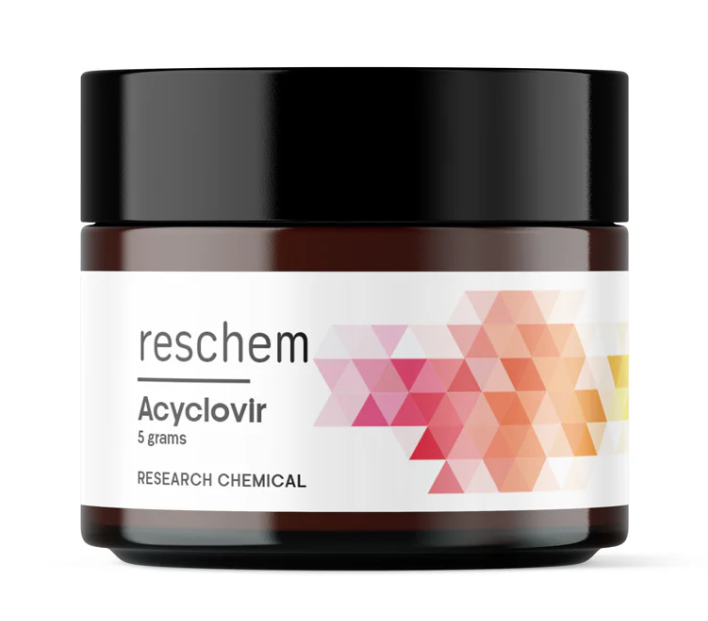
Acyclovir (5g)

R269,00

PLEASE NOTE: ALL OFF LABELS ARE MADE ON ORDER AND DELIVERY TAKES 2 TO 5 BUSINESS DAYS AS THEY NEED TO BE FRESHLY MANUFACTURED FOR EFFICACY.

Acyclovir is an antiviral medication primarily used to treat infections caused by herpes viruses, such as herpes simplex (responsible for cold sores and genital herpes) and varicella-zoster (which causes chickenpox and shingles). It works by inhibiting viral DNA replication, thereby reducing the ability of the virus to multiply and spread in the body. While it doesn’t cure these infections, it effectively reduces the severity and duration of outbreaks, making it a valuable tool in managing chronic viral conditions.

Potential Use in Cancer:
Emerging research suggests that acyclovir and similar antiviral drugs may have applications beyond treating viral infections, including in oncology. Here’s how acyclovir may relate to cancer treatment:

  1. Immunomodulatory Effects:
    Acyclovir may influence the immune system’s response, potentially boosting its ability to fight off certain cancers. Viruses like Epstein-Barr virus (EBV) are associated with cancers such as nasopharyngeal carcinoma and some lymphomas. By targeting these viruses, acyclovir could indirectly contribute to reducing cancer progression.
  2. Synergistic Effects with Chemotherapy:
    In some studies, acyclovir has shown potential for enhancing the effectiveness of chemotherapy drugs. By reducing viral burdens in immunocompromised cancer patients, it may improve overall treatment outcomes.
  3. Oncolytic Viruses:
    Certain cancer therapies involve using viruses that selectively target and destroy cancer cells. Acyclovir can be paired with these therapies to manage viral side effects, ensuring that the treatment remains safe for the patient.
  4. Prevention in Immunocompromised Patients:
    Cancer patients undergoing treatments like chemotherapy or radiation therapy often have weakened immune systems, making them more susceptible to viral infections. Acyclovir helps prevent these infections, contributing to a smoother treatment journey.

Disclaimer:
While these potential applications are promising, they remain largely in the experimental or research stage. Acyclovir is not a standalone treatment for cancer, and its use in oncology should always be under the guidance of a qualified healthcare provider.

This highlights how existing medications, like acyclovir, might play a broader role in medical care, including cancer research and supportive treatment.

Acyclovir is not officially approved or established as a treatment for cancer, and therefore, there is no standard recommended dosage for cancer patients. Any use of acyclovir in the context of cancer would likely be off-label and experimental, often as part of clinical research or under the guidance of a specialized healthcare provider.

Research Context:

  • When acyclovir is explored in cancer-related applications, it is typically in the context of:
    • Managing virus-associated cancers (e.g., Epstein-Barr virus in lymphomas).
    • Supporting immunocompromised patients to prevent or treat viral infections during cancer therapy.
    • Investigating potential synergistic effects with other cancer treatments.

General Dosage Information (For Approved Uses):

For herpes simplex or varicella-zoster infections, typical adult dosages of acyclovir tablets range from 200 mg to 800 mg taken once to twice daily, depending on the severity and type of infection. However, such dosages may not be directly applicable to cancer-related research.

Disclaimer:

If you are considering acyclovir for cancer-related purposes, it is vital to consult an oncologist or a healthcare professional specializing in integrative or experimental treatments. Self-medication or improper use can lead to unintended side effects or complications. Any off-label use should only be undertaken in a controlled, research-based setting.