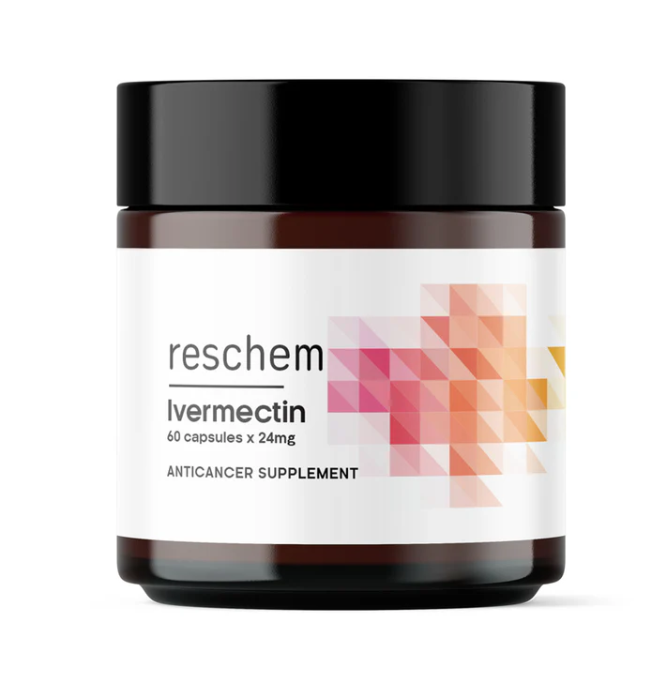
Ivermectin Capsules 24mg Capsules ( 60’s )
R450,00
Ivermectin and fenbendazole, both traditionally used as antiparasitic agents, have garnered attention in cancer research for their potential anticancer properties. Below is an overview of their roles, mechanisms, and current research status.
Ivermectin in Cancer Research
Mechanisms of Action:
- Inhibition of Cancer Cell Proliferation: Ivermectin has demonstrated the ability to suppress the growth of various cancer cell lines, including colorectal and breast cancers. It induces cell cycle arrest and promotes apoptosis (programmed cell death) in these cells.
- Overcoming Drug Resistance: Studies suggest that ivermectin can reverse multidrug resistance in cancer cells by inhibiting the P-glycoprotein (P-gp) transporter, which often pumps chemotherapy drugs out of cancer cells, reducing their efficacy.
- Modulation of the Tumor Microenvironment: Research indicates that ivermectin may convert “cold” tumors (those less responsive to immunotherapy) into “hot” tumors by enhancing immune cell infiltration, thereby improving the effectiveness of immune checkpoint inhibitors.
Clinical Research:
While preclinical studies are promising, clinical trials are necessary to establish ivermectin’s safety and efficacy in cancer treatment. For instance, a Phase I study is planned to assess the combination of ivermectin with balstilimab (an anti-PD-1 antibody) in patients with metastatic triple-negative breast cancer.
Fenbendazole in Cancer Research
Mechanisms of Action:
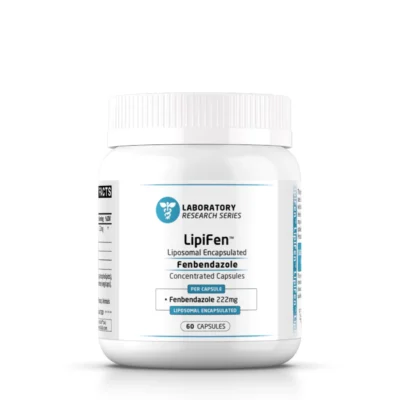
- Microtubule Disruption: Fenbendazole acts as a microtubule-destabilizing agent, interfering with the structural framework of cancer cells, which is essential for cell division and survival.
- Inhibition of Glucose Uptake: It has been shown to reduce glucose uptake in cancer cells, thereby disrupting their energy metabolism and inhibiting growth.
- Induction of Apoptosis: Fenbendazole can trigger apoptosis in cancer cells through various pathways, including the activation of tumor suppressor proteins like p53.
Clinical Research:
Most research on fenbendazole’s anticancer effects has been conducted in vitro (cell cultures) or in animal models. There is a lack of robust clinical trial data in humans. Anecdotal reports, such as the case of Joe Tippens, who claimed cancer remission after self-administering fenbendazole, have spurred interest but are not substitutes for scientific evidence.
Guidelines for Use in Cancer
Currently, neither ivermectin nor fenbendazole is approved for cancer treatment by regulatory authorities. Their use in oncology should be confined to clinical trials or research settings under professional supervision.
Considerations:
- Consult Healthcare Professionals: Patients should not self-administer these medications for cancer treatment. Consultation with oncologists and participation in clinical trials are essential for safety.
- Regulatory Status: Both drugs are approved for antiparasitic uses but not for cancer treatment. Off-label use without medical supervision can lead to adverse effects and is not recommended.
- Research Participation: Individuals interested in these treatments should seek out clinical trials studying their efficacy and safety in cancer therapy.
Disclaimer: This information is for educational and research purposes only and should not be considered medical advice. Always consult with a qualified healthcare professional before considering any experimental treatments.
Ivermectin is an antiparasitic agent primarily used to treat various parasitic infections. Recent studies have indicated its potential antiviral activity against a broad spectrum of RNA and DNA viruses. Additionally, ivermectin has been reported to inhibit the proliferation of certain tumor cells, suggesting potential anticancer properties.
Directions for Use:
- Research Purposes Only: This product is intended solely for research applications.
- Handling Precautions: All chemical compounds carry inherent risks. It is essential to review available research and understand the associated hazards before handling.
- Uncertain Handling Methods: If you are unsure about proper handling procedures, please contact the supplier for guidance.
- Misuse Warning: Improper use of this product may lead to adverse reactions.
- Storage Instructions: Store at room temperature in a tightly sealed container, away from heat, light, and moisture.
- Keep Away from Children: Ensure this product is inaccessible to children.
- Regulatory Status: This product is not approved by the South African Health Products Regulatory Authority (SAHPRA)