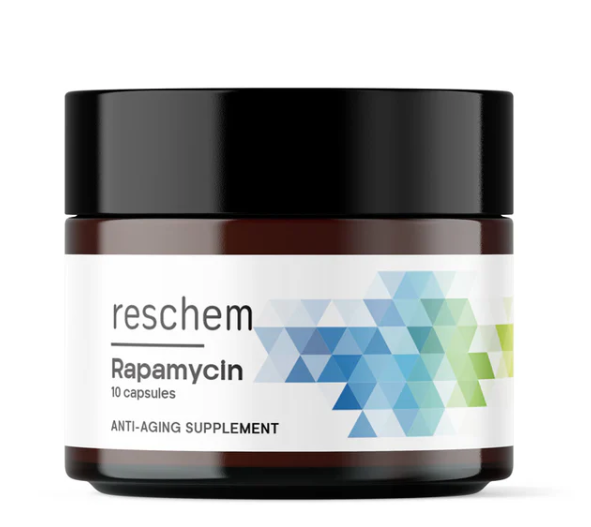
Rapamycin 10 X 1mg
R290,00
The use of rapamycin for cancer is primarily experimental and should only be done under the guidance of a qualified healthcare professional, typically within a clinical trial or research-based setting. Rapamycin’s potential in oncology stems from its ability to inhibit the mTOR pathway, which plays a critical role in cancer cell growth and survival. Below is an outline based on current research and guidelines for its use in cancer:
Administration of Rapamycin for Cancer
- Route of Administration:
- Oral: Rapamycin is typically administered in tablet form for systemic effects.
- Encapsulated Formulations (eRapa): Some studies use encapsulated rapamycin for improved bioavailability and targeted delivery.
- Dosage:
- Dosages in cancer research vary depending on the type of cancer, patient condition, and whether rapamycin is being used as monotherapy or in combination with other treatments.
- Typical dosages used in clinical trials range from 2 mg daily to 8 mg weekly, but these may vary based on trial protocols.
- Low-dose regimens (e.g., 0.5–2 mg per week) are often explored for minimizing side effects while achieving therapeutic effects.
- Combination Therapy:
- Rapamycin is frequently combined with chemotherapy, targeted therapies, or immunotherapies to enhance efficacy. For example:
- With immune checkpoint inhibitors to improve anti-tumor immune responses.
- With anti-angiogenic agents to limit tumor blood supply.
- Always consult an oncologist for guidance on combination treatments.
- Rapamycin is frequently combined with chemotherapy, targeted therapies, or immunotherapies to enhance efficacy. For example:
- Duration of Treatment:
- Treatment duration depends on clinical trial protocols or physician recommendations, usually monitored regularly for effectiveness and side effects.
- In maintenance therapy, rapamycin may be used intermittently to prevent recurrence.
Key Considerations
- Monitoring: Regular blood tests are required to monitor kidney function, liver function, and immune response while taking rapamycin.
- Side Effects: Common side effects ( with high dosages) include mouth sores, fatigue, elevated cholesterol, and immunosuppression, which can increase the risk of infections.
- Drug Interactions: Rapamycin interacts with many drugs, especially those metabolized by the liver (CYP3A4 inhibitors/inducers). A detailed medication review is essential before starting rapamycin.
Current Research and Availability
- Off-Label Use: In some cases, oncologists may prescribe rapamycin off-label based on emerging evidence, but this requires close supervision.
Disclaimer
Rapamycin is not an FDA- or SAHPRA-approved cancer treatment and is considered experimental in oncology. Self-administration without professional guidance can lead to serious health risks. Always consult with an oncologist or participate in a clinical trial for safe and evidence-based use.
If you’re considering rapamycin for cancer, seek out healthcare professionals specializing in integrative or experimental oncology for personalized advice.
Rapamycin: Exploring Its Role in Cancer Research
Rapamycin, also known as sirolimus, is a macrolide compound initially discovered for its antifungal properties and later utilized for its immunosuppressive effects, particularly in preventing organ transplant rejection. Beyond these applications, rapamycin has garnered significant interest in oncology due to its potential anticancer properties.
Mechanisms of Action in Cancer:
- mTOR Inhibition: Rapamycin specifically inhibits the mechanistic target of rapamycin (mTOR), a central regulator of cell growth, proliferation, and survival. By inhibiting mTOR, rapamycin can suppress tumor cell growth and induce apoptosis.
- Anti-Angiogenic Effects: Rapamycin has been shown to inhibit angiogenesis, the process by which new blood vessels form, which tumors need for sustained growth and metastasis.
Clinical Research and Applications:
- mTOR Inhibitors in Cancer Therapy: Rapamycin and its analogs (rapalogs) have been investigated for their efficacy in various cancers, including renal cell carcinoma, breast cancer, and neuroendocrine tumors. These studies have demonstrated that mTOR inhibitors can effectively slow tumor progression in certain cancer types.
- Encapsulated Rapamycin Trials: Clinical trials are exploring encapsulated formulations of rapamycin (eRapa) for cancer prevention and treatment. For instance, a Phase II trial is investigating eRapa for secondary prevention in patients with non-muscle invasive bladder cancer, aiming to reduce cancer relapse risk.
- Prostate Cancer Research: A Phase I trial examined the safety and immunologic impact of eRapa in patients with low-risk prostate cancer under active surveillance, seeking to delay disease progression.
Guidelines for Use in Cancer:
- Clinical Supervision: The use of rapamycin in cancer treatment should be under the guidance of an oncologist. Dosage and administration are tailored to individual patient needs and specific cancer types.
- Regulatory Approval: While rapamycin is approved for certain medical uses, its application in oncology varies by region and specific cancer indications. Consult healthcare providers for information on approved uses and ongoing clinical trials.
Disclaimer:
This information is for educational purposes only and should not be considered medical advice. Always consult with a qualified healthcare professional before considering any experimental treatments.